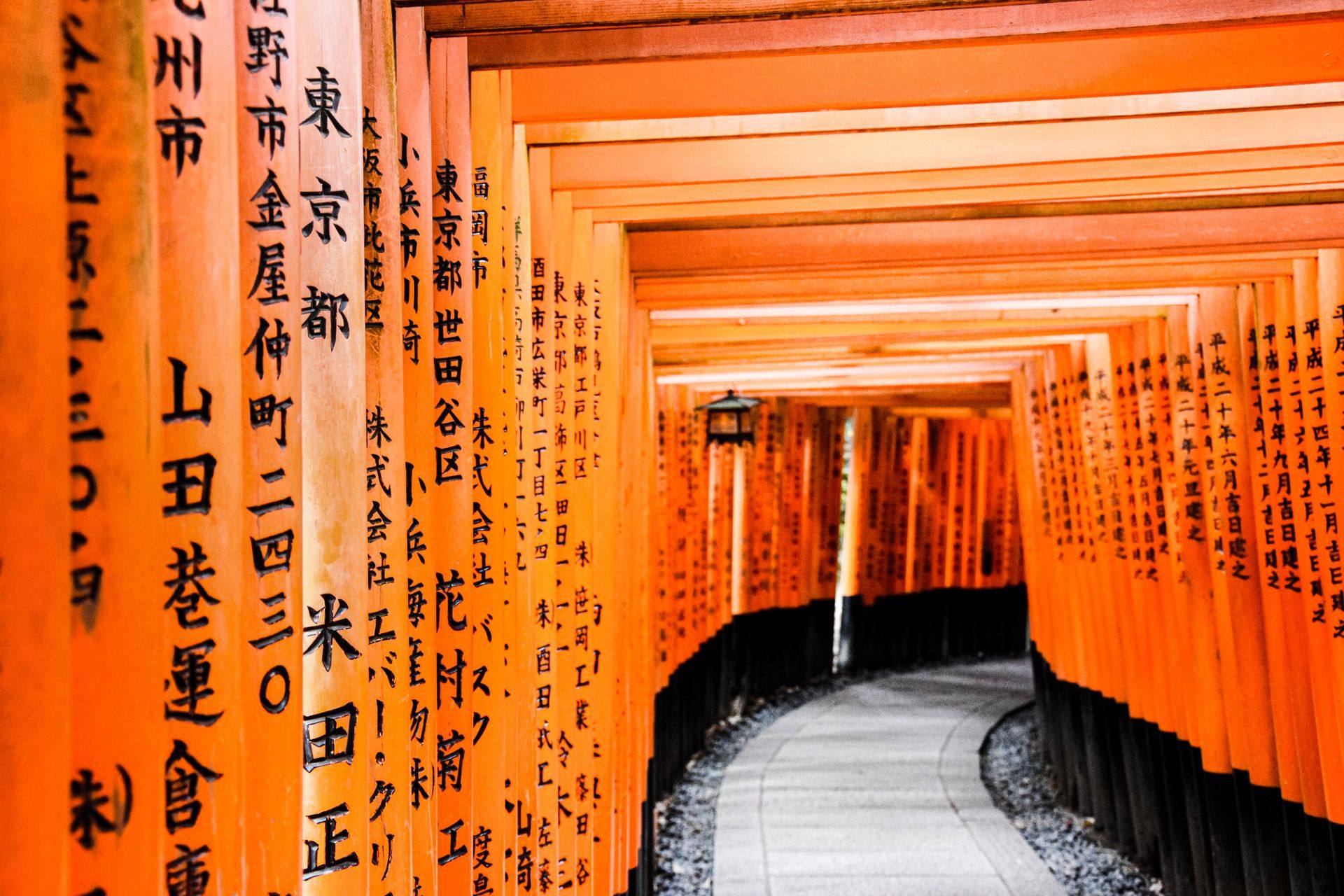
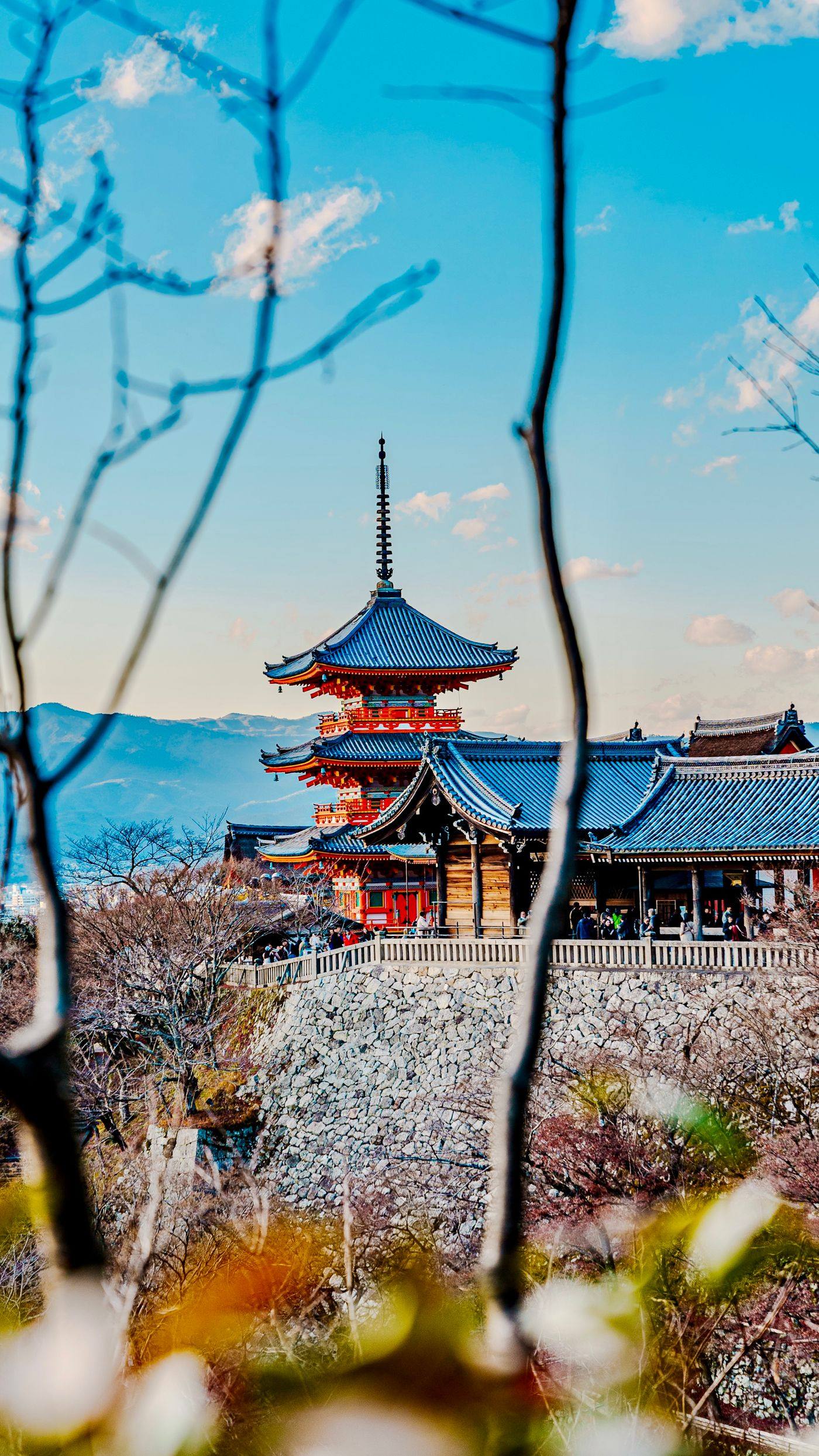
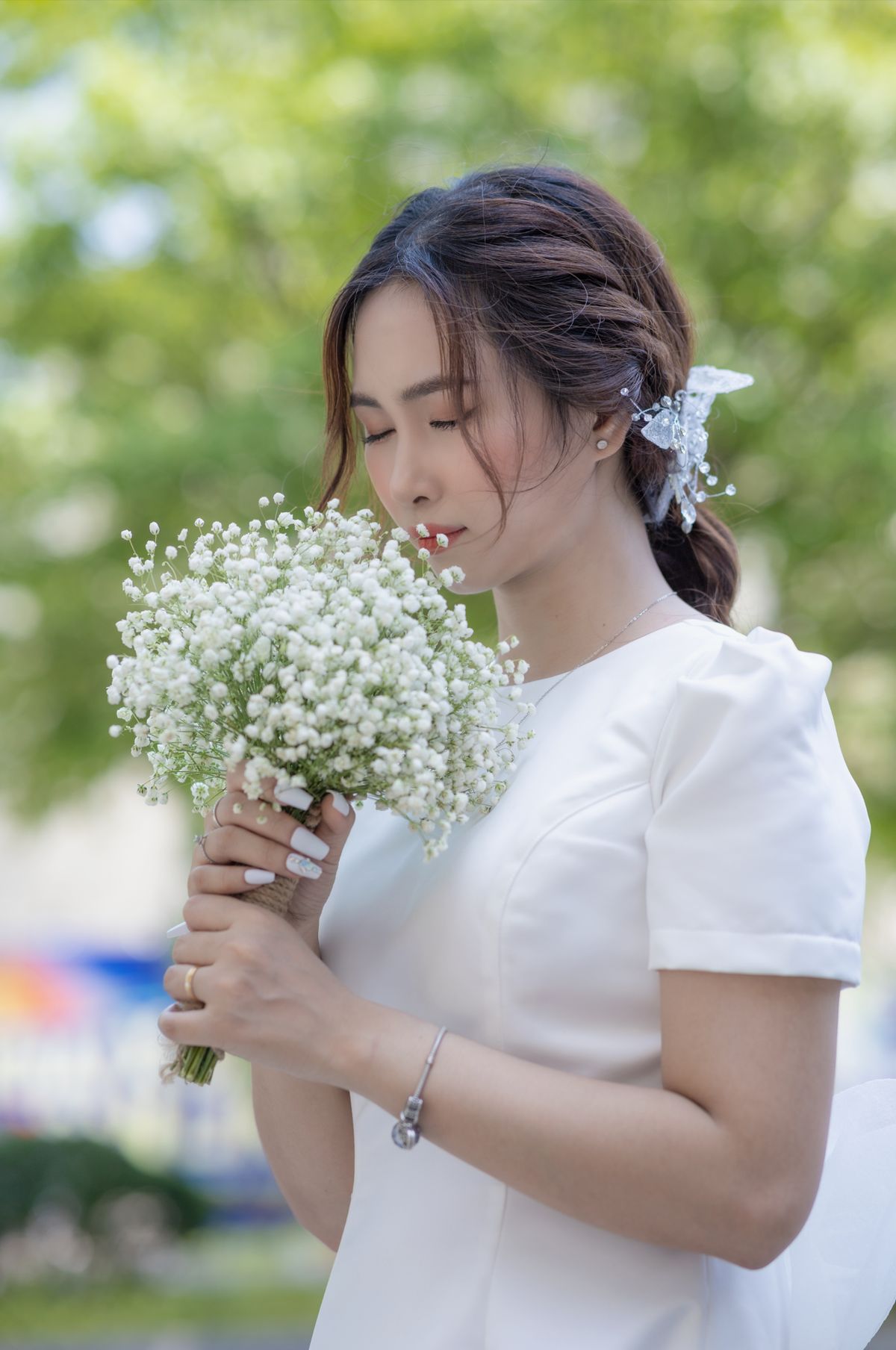
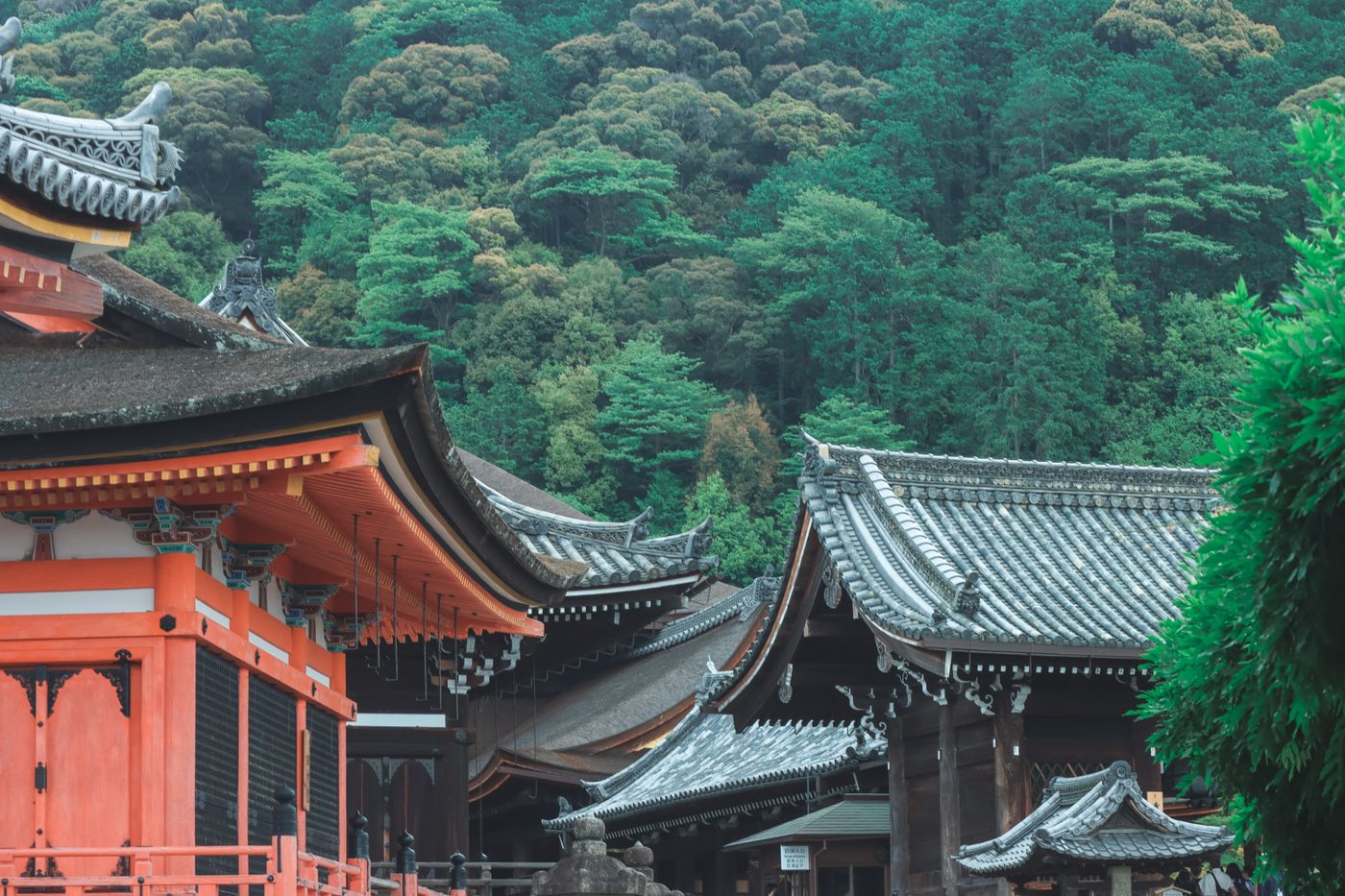
Thirty-four guests. That was the first line of Yuki and Alexander's brief, and everything followed from it — a wedding small enough to be silent, in a city that has spent a thousand years perfecting silence.
They were married in the first week of April, as the blossom reached its brief perfection. We had planned the dates with the temple's custodian eleven months in advance, the way one books a tide.
The Tea
The celebration began not with a party but with a tea ceremony — a private hour with a tea master of the Urasenke school, in a machiya townhouse two minutes from the river. Thirty-four people kneeling in the stillness, watching one perfect gesture after another. Guests told us later it rearranged something in them.
The Ceremony
At dawn on the wedding day, a Zen temple opened its hall privately. The abbot gave the blessing; a single arrangement of cherry blossom stood in the tokonoma; the garden, just beyond the open screens, was entirely still. The vows were short. The silence after them was long, and it was the sound the whole weekend had been composed to hold.
The Dinner
That evening, a riverside ryotei served kaiseki for thirty-four — course after course of small landscapes, lacquer and porcelain, saké warmed and chilled in turn, as lanterns came on along the water outside. The speeches were few and perfect. The blossom, everyone knew, would be gone within the week; that was exactly why it mattered.
There was no dancing. There was, instead, a night walk through the bamboo grove — privately lit, swaying, green — and then quiet drinks in the machiya's garden, and the feeling, unanimous among thirty-four people, that they had been part of something that would not come again.